


Starting work in a new country is like a new rhythm. The sounds, faces, the smell of disinfectant and the pulse of the hospital feel familiar and yet different. For many international nursing staff who arrive in Germany, this mixture of comfort and challenge characterizes the first few weeks. The corridors may be similar to those back home, but the unwritten rules, the humor and even the coffee breaks can be completely different.
Integration is the key to realizing your potential in a German hospital. International nurses are often confronted with a mixture of professional expectations and cultural peculiarities when they arrive, which can be overwhelming. For example, the German healthcare system emphasizes efficiency and direct communication, which can be in contrast to the more hierarchical systems back home. The integration experiences of nurses in Germany show that nurses who settle in quickly tend to have higher job satisfaction and lower burnout rates.
What are the practical benefits? Strong integration leads to improved teamwork, fewer misunderstandings and a stronger sense of togetherness. Patients also benefit, as well-coordinated teams ensure more consistent care. And on a personal level, integration means enjoying life outside of work - from weekend hikes to coffee mornings with locals.
the cooperation with a reputable Employment agency such as TalentOrbit International GmbH, can offer you valuable advice, put you in touch with suitable hospitals and support you during your relocation and acclimatization process.
Every beginning has its awkward moments. Standing in the staff room trying to decipher a conversation you only half understand. Smiling politely and wondering whether a certain joke was meant to be friendly or sarcastic. Such moments are normal. In the early days, it's more about listening than talking, asking questions and showing your commitment to others.
Everyday tips for international caregivers often emphasize one thing above all: patience. The first few months can feel like a race, especially because of the language barrier. Medical German can sound technical and abrupt, even if it's not meant to be. It's best to take notes, repeat important terms and ask colleagues to check and correct you. Most people will be happy to help you, especially if they can see that you are making a real effort.
Here is a short list that many international nurses in Germany find helpful in their first few weeks:
The more you observe, the more patterns you will notice. You will soon realize that what once felt strange has become routine.
Hospitals are like microcosms of society, small worlds where people of different ages, different languages and different attitudes come together. For an international nurse, the intercultural challenges in hospitals can sometimes be overwhelming. A doctor's tone can come across as harsh, even though it is meant to be efficient. A patient's directness can come across as rude, even though it is a form of cultural honesty.
In Germany, professional distance is often valued. Patients do not expect as many emotional conversations as in other cultures. Instead, they trust your precision and reliability. Once you understand this, interactions go more smoothly. They begin to realize that behind the formality lies a culture of respect.
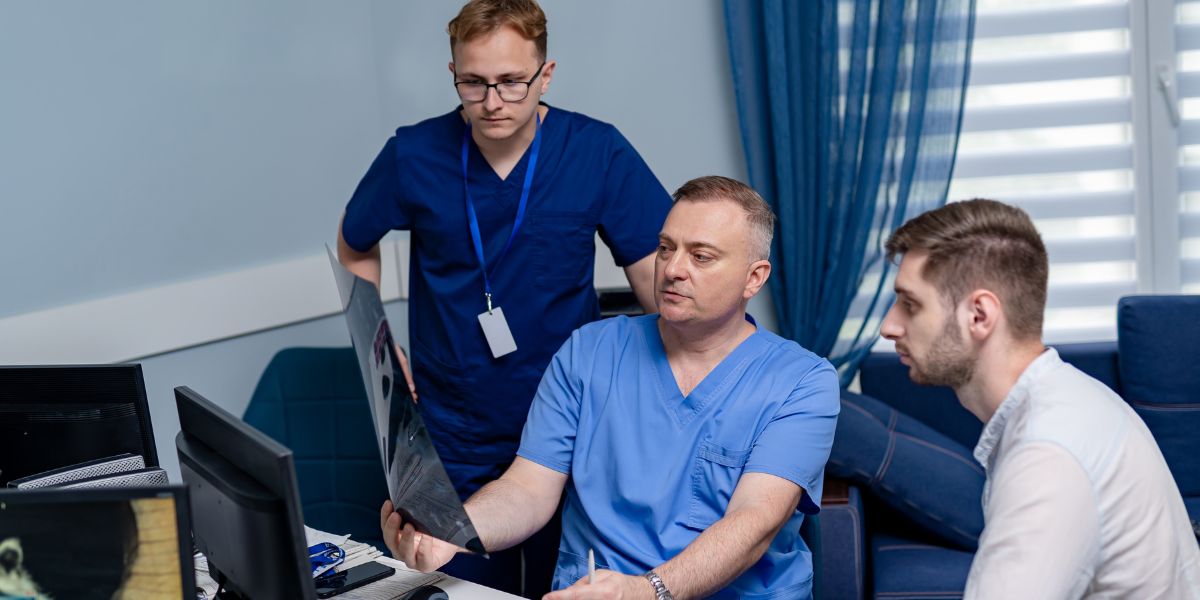
The following table shows some typical differences that nursing staff are confronted with:
| Aspect | Typical in Germany | Together abroad |
| Communication style | Direct and concise | Polite and indirect |
| Hierarchy | Clear and respected | Flexible and relational |
| Work breaks | Short and on schedule | Longer and flexible |
| Patient interaction | Professional, factual | Sensitive, talkative |
| Feedback | Honest, even blunt | Gentle or indirect |
Recognizing these differences will help you adjust your expectations. No one is better or worse; they are just different systems working together.
In the following, we look at specific strategies that make it easier for international nursing staff to integrate into everyday hospital life in Germany. These everyday tips for international nursing staff are based on real experiences and are intended to address common hurdles.
Language is the key to integration. While English is spoken in some hospitals, fluent German creates trust among colleagues and patients. Start with medical German. Take evening classes or use apps to practice daily. One nurse from India found that memorizing five medical terms a week helped her to participate confidently in ward rounds.
Don't be afraid to speak, even if your accent doesn't sound perfect. Colleagues will appreciate your efforts and a simple "I'm still learning" can stimulate supportive conversations. Regular practice reduces cross-cultural challenges in hospitals by ensuring clear communication at critical moments, for example when explaining a procedure to a patient.
German hospitals thrive on structure. From digital documentation systems to strict hygiene standards, protocols are indispensable. Ask for a detailed briefing at an early stage or accompany a colleague to get to know the work processes.
Familiarize yourself with tools such as SAP or local EMR systems before your first shift. If you're not sure about a protocol, ask; Germans value proactive questions over assumptions. These everyday tips for international nurses will help you manage expectations and build your confidence and the confidence of the team.
Cooperation with colleagues is essential for the integration of foreign nursing staff. Small gestures, such as greeting them by name at handover, build trust. Share something about your culture, a story about a holiday tradition or a break-time activity to build a connection.
Attend social events at the hospital, such as sporting events or coffee mornings, to get to know your colleagues outside of their scrubs. These moments strengthen cooperation with colleagues for foreign nurses and make daily shifts feel less like work and more like teamwork. If conflicts arise, address them calmly; cultural misunderstandings are often resolved through open dialog.
Mentoring programs for international nurses are a lifeline. Many hospitals offer formal or informal mentoring programs, pairing you with experienced nurses who understand the integration experiences of nurses in Germany. Mentors will guide you through protocols, cultural nuances and even local life, such as finding the best grocery stores.
If your hospital does not offer a formal program, ask the HR department about buddy systems or look for informal mentors. Mentoring programs for international nurses counteract isolation and provide a space to share challenges and celebrate successes. Actively participating in or establishing such a program will accelerate your integration.
The German work culture values efficiency, punctuality and a good work-life balance. Be punctual, as lateness can be frustrating for your colleagues. Respect boundaries. Germans value free time, so don't send work-related messages outside of regular working hours. A nurse from Vietnam learned this after texting her supervisor late and receiving only a polite reminder about boundaries.
Show initiative by completing tasks proactively, such as replenishing supplies before you are asked to do so. These everyday tips for international nurses will help you meet cultural expectations, gain respect and overcome intercultural challenges in hospitals. Over time, you will find that this balance will improve both your professional and personal life.
Homesickness can spoil even the most exciting trip. Build a support network, join expat groups or connect with other international caregivers online. Schedule video calls with your family to stay grounded. Explore the beauty of Germany outside of work - from Berlin museums to Bavarian hiking trails - and create new memories.
Pay attention to your self-care to manage demanding shifts. Healthy habits will energize you and ensure that you give your best to patients and colleagues. These steps will strengthen your integration and make you feel at home in Germany.
Here is a clear table to guide you through your integration process:
| Resource | Purpose | Access point |
| Medical German courses | Learn the basic terminology | Adult education center or apps like Babbel |
| Networks for nursing staff living abroad | Exchange experiences and tips | Online forums or BAMF programs |
| Hospital orientation | Understanding protocols | Personnel or training departments |
| Mentoring programs | Personalized advice | Human resources department of the hospital or local nursing associations |
| Cultural workshops | Navigate through German etiquette | Community centers or hospital initiatives |
Integration does not end after the first shift; it is an ongoing process. Reflect on your progress every month: Are you communicating effectively? Are intercultural challenges in the hospital decreasing? Adjust your strategies if necessary, e.g. by attending advanced German courses or encouraging team initiatives.
Deepen cooperation with colleagues for foreign nursing staff by contributing ideas, for example to improve patient care. Go from mentee to mentor in mentoring programs for international nurses and give back to newcomers. Discover resources to Working and living in Germany, to achieve a balance between career and personal development.
Integration experiences of show nursing staff in Germanythat adaptation is not just about understanding the language; it is about understanding the situation, finding your place in the team and gradually adopting unfamiliar processes. Some people find this process easy, others feel lost in the transition. But with time, observation and support, even the most unfamiliar environment feels like a second home.
International care agencies in Germany TalentOrbit International GmbH, for example, offer comprehensive support and help nursing staff to overcome these challenges. They ensure a smooth transition into their role and life in Germany. With our expertise and your commitment, we turn challenges into opportunities and make your nursing career in Germany fulfilling and impactful.